How to Fix Garage Door Sensor Problems in Surprise
Here is how to fix garage door sensor problems in Surprise, AZ: clean both lenses, clear anything in the beam, line the two sensors up until both lights glow steady, and check the thin wires for damage. If the door still reverses or will not close, stop and call to be connected with a local provider.
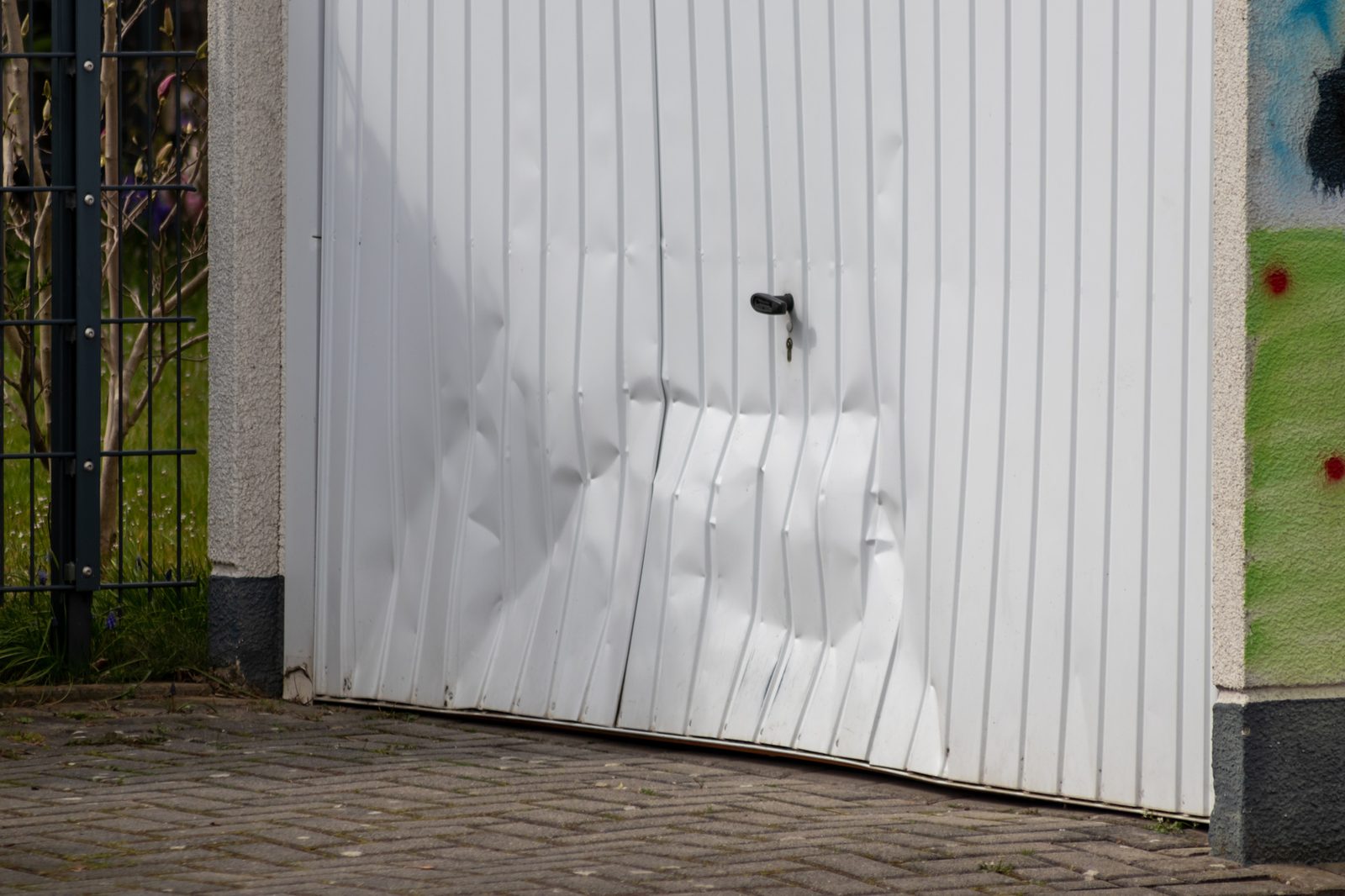
- The safety sensors are the two small eyes near the floor on each side of the door. If their beam is blocked or out of line, most openers will not close the door.
- Most sensor problems come from dirt, a bumped bracket, strong sun on the lens, or a damaged wire.
- Never tape over, remove or bypass the sensors. They stop the door from closing on a car, pet or child.
- Phoenix-area summers are long and dusty, so West Valley sensors can need cleaning and checks more often.
- If the door is crooked, off its track or the spring looks broken, do not keep pressing the button. Call for help.
What to do first
- Keep everyone, including pets and kids, clear of the door while you test it.
- Look at the spring above the door and the cables on each side. If anything looks broken or loose, stop and call for help.
- Unplug the opener before you touch sensor wires or brackets.
- If you must close the door before help arrives, watch it the whole way down and keep the path clear.
How do garage door safety sensors work?
Garage door safety sensors send an invisible beam across the bottom of the door opening. One sensor sends the beam and the other receives it. If something breaks that beam while the door is closing, the opener stops and reverses the door. That is why a sensor problem usually shows up as a door that will not close.
You will find one sensor on each side of the door, a few inches above the floor, mounted on a small bracket attached to the track or the wall. Each one has a small indicator light:
- Sending sensor: usually a steady light whenever the opener has power.
- Receiving sensor: usually a steady light when it sees the beam, and off or blinking when it does not.
Light colors and patterns differ by brand, so check the label on your opener or the owner's manual if you are not sure what a light means.
How do I know the sensor is the problem?
The sensor is the likely problem if your garage door in Surprise opens fine but goes back up as soon as it starts to close, or will not move down at all. Many openers also blink the main light on the motor unit or click without moving when the sensors cannot see each other.
Common signs of a garage door sensor not working:
- The door reverses after closing a few inches or a few feet.
- One sensor light is off, dim or blinking.
- The door closes only when you hold down the wall button.
- The problem comes and goes at certain times of day, often in the afternoon.
- The remote and the wall button both fail to close the door.
If the door will not open either, the sensor is less likely to be the cause. Our guide on garage door opener troubleshooting covers power, remote and motor problems.
How to fix garage door sensor problems: a simple checklist
Most sensor fixes are simple and safe for a careful homeowner in Surprise to try. Work through these steps in order and test the door after each one. If none of them work, it is time to call.
- Clear the path. Move trash cans, boxes, brooms, bikes, hoses and pet beds away from the door opening. Even a small item can block the beam.
- Clean the lenses. Wipe both sensor lenses with a soft, dry cloth. Dust, spider webs and water spots are common culprits.
- Check the lights. With the opener plugged in, look at both indicator lights. A steady light on both sides usually means the sensors can see each other.
- Realign the sensors. If a bracket is bent or a sensor is pointing up, down or sideways, loosen the wing nut or screw, aim the sensor straight at the other one, and tighten it again once the receiving light glows steady.
- Look at the wires. Follow the thin wires from each sensor back to the opener. Look for staples through the wire, chewed spots, loose ends or wires pulled from the terminals.
- Test again. Close the door with the remote and watch it the whole way down.
If you reset a sensor and the problem returns, there may be a damaged wire, a failing sensor, or an opener issue behind it.
Need help now? Call to be connected with a local provider in Surprise who can check availability for your address.
How do I align garage door sensors?
To align garage door sensors, aim them straight at each other at the same height until the receiving sensor's light stays steady. Most sensors sit a few inches above the floor and must face each other across the opening with nothing in between.
- Unplug the opener before loosening any bracket.
- Loosen the sensor just enough to pivot it by hand.
- Use a level, a tape measure, or a string pulled tight between the two sensors to check that they sit at the same height.
- Plug the opener back in and adjust slowly until the light stops blinking.
- Tighten the bracket so the sensor will not drift again.
A sensor that keeps slipping out of line often has a bent or loose bracket. Kids, cars, rakes and garden carts bump these brackets more than people think.
Why does sunlight make my garage door sensor act up?
Strong, low-angle sunlight can flood the receiving sensor and keep it from seeing the beam. In Surprise, garages that face west or south often have trouble in the late afternoon, then work fine after sunset.
If your door only refuses to close at certain times of day, try these steps:
- Note the time and where the sun hits the sensors.
- Ask a provider whether the sending and receiving sensors can be swapped so the receiver sits on the shaded side.
- Ask about a sensor sun shield or hood designed for your model.
Do not cover the lens itself with tape or paper. That blocks the beam and stops the safety system from doing its job.
Can I bypass or disconnect the garage door sensors?
No. Do not bypass, remove or tape over garage door safety sensors. They are there to stop a closing door from hitting a car, a pet or a child, and a door that will not reverse can cause serious harm.
On many openers, holding down the wall button will close the door even when the sensors are out of line. Treat this as a short-term step only. Stand where you can see the whole opening, keep everyone clear, and let go of the button if anything moves into the path. Then get the sensors fixed.
When should I stop and call a garage door provider?
Call for help when cleaning and realigning do not fix the sensor, when wires are damaged inside walls or the ceiling, or when the door itself looks uneven, noisy or stuck. In Surprise and nearby towns, a local provider can test the sensors, the wiring and the opener together.
Stop and call if you notice:
- A broken spring, a loose cable, or the door hanging crooked. Springs and cables hold heavy tension and can cause serious injury.
- The door off its track or a roller out of place.
- Burnt smells, sparks or melted wire near the opener.
- The opener humming or clicking with no movement, even with the sensors working.
- A sensor with a cracked lens or a light that never comes on.
You can learn more about garage door sensor and keypad repair on this site.
What happens during a sensor repair visit?
A visit usually starts with an inspection. The provider tests the door, checks both sensors, follows the wiring, and looks at the opener, springs, cables and rollers. They should then explain what they found and walk you through your options, such as cleaning and realigning, replacing a sensor, rewiring, or looking at the opener.
Ask for a written quote before any work begins. The final plan depends on your door, your opener model and what the inspection finds, so there are no set timelines. Arizona generally requires a contractor's license for larger jobs or work that needs a permit, and you can look up a contractor in the Arizona Registrar of Contractors' online search.
Garage door sensor problems in Surprise, Sun City and the West Valley
The West Valley climate is hard on small parts like sensor lenses, brackets and wires. National Weather Service figures for Phoenix Sky Harbor show an average of 111 days a year at 100°F or higher (1991-2020 normals), and NWS reports 2024 as the warmest year in Phoenix history. Long, hot summers in Surprise, El Mirage and Waddell mean garages stay hot for months.
Dust is the other big factor. NWS offices in the Southwest define the monsoon as June 15 through September 30. NWS issues a Dust Storm Warning for dust storms with visibilities of 1/4 mile or less, and says wind gusts of 40 to 60 mph are also likely. On August 25, 2025, NWS Phoenix reported a massive dust storm that moved through the Phoenix area with near-zero visibility in numerous areas.
After a dusty week, homeowners in Sun City, Sun City West and Surprise often find that a quick lens cleaning brings a sensor back to life. If you spend summers away, test the door, the remote and the sensors before you rely on them again. For help across the area, see our page on garage door repair in Sun City West.
Related pages
Questions people ask
How do I fix my garage door sensor in Surprise, AZ?
Clean both lenses, move anything blocking the beam, realign the sensors until both lights glow steady, and check the wires. If the door still will not close, call to be connected with a local provider in Surprise.
How to fix garage door sensor problems without calling anyone?
Start with the simple steps: clear the path, wipe the lenses, and realign the sensors. These fix most sensor issues. If a wire is damaged, the sensor is cracked, or the door itself looks crooked, call for help.
Why won't my garage door close but it opens fine?
A door that opens but will not close usually has a sensor problem. The beam is blocked, the sensors are out of line, or a wire is damaged, so the opener reverses the door for safety.
Why is my garage door sensor light blinking?
A blinking sensor light usually means the receiving sensor cannot see the beam. Clean the lens, clear the path and realign the sensors. Light patterns vary by brand, so check your opener's manual.
What does it mean when one garage door sensor light is off?
It often means the sensors are out of line or a wire has lost its connection. Check the bracket and the wires on that side. If the light never comes on, the sensor or wiring may need replacing.
Can the sun really stop my garage door from closing?
Yes. Strong afternoon sun can shine straight into the receiving sensor and confuse it. West- and south-facing garages in Surprise see this most, often only at certain times of day.
How do I know if my garage door sensors are bad or just dirty?
Clean and realign them first. If the lights still blink or stay off after cleaning, aligning and checking the wires, the sensor itself may be failing and a provider can test it.
Is it safe to bypass my garage door sensors?
No. The sensors stop the door from closing on people, pets and cars. Never tape over, remove or disconnect them. Fix the problem or call for help instead.
How do I close my garage door if the sensors aren't working?
On many openers you can hold down the wall button until the door closes. Watch the door the whole way, keep everyone clear, and let go if anything moves into its path. Then get the sensors fixed.
Can dust storms affect garage door sensors in Arizona?
Yes. Dust can coat the lenses and block the beam. After a dusty spell in the West Valley, wiping both lenses with a soft cloth often fixes a sensor that stopped working.
Why does my garage door reverse halfway down?
A door that reverses partway down may be reacting to the sensors, or the opener may feel resistance from a sticking roller or bent track. Check the sensors first. If they look fine, call for help.
Do I need to unplug the opener before adjusting the sensors?
Yes, it is a good idea. Unplug the opener before you loosen brackets or touch wires, then plug it back in to test the lights.
Can I replace a garage door sensor myself?
Some handy homeowners can, but the new sensor must match your opener and be wired and aligned correctly. If you are not comfortable with low-voltage wiring, call to be connected with a local provider.
What causes garage door sensor wires to fail?
Staples driven through the wire, rodents chewing on it, loose terminal screws, and bumps to the brackets are common causes. Heat in a closed garage can also wear down old wire over time.
Why does my garage door sensor only work at night?
That pattern usually points to sunlight. The sun hits the receiving sensor during the day and blocks the beam. Ask a provider about swapping sides or adding a shield.
Should I check my garage door sensors after being away for the summer?
Yes. Dust, heat and insects can build up while you are gone. Test the door, clean the lenses and check the lights before you drive in or out.
Can a bad garage door sensor be a sign of an opener problem?
Sometimes. If the sensors look clean, aligned and lit but the door still will not close, the opener's logic board or settings may be at fault. A provider can test both.
Who do I call to fix a garage door sensor in Sun City or El Mirage?
Call the number on this page to be connected with a local provider who serves Sun City, El Mirage, Surprise and nearby towns. Describe what the door and the sensor lights are doing.
Talk to someone about your garage door problem
Call to be connected with a local provider who can check availability for your address and explain the next step.