Balance test
The opener is released and the door is moved by hand to see whether the springs are still carrying its weight. A door that drifts down or flies up is out of balance, and that finding shapes everything else.
Most garage doors in Surprise do not fail overnight. They get louder, slower and stiffer for months first. A tune-up is the visit where all of that gets measured, adjusted and lubricated while the door is still working.
A garage in Surprise is the hottest room on the property for a third of the year, and heat is hard on everything in it. Factory grease bakes out of roller bearings and hinge pins, the rubber bottom seal goes brittle against a driveway that has been in full sun since morning, and monsoon dust settles into the tracks and works its way into every moving part. Add the fact that the garage is the door the family actually uses, so it runs several times a day, and a door that has never been serviced is running on worn parts long before anyone notices.
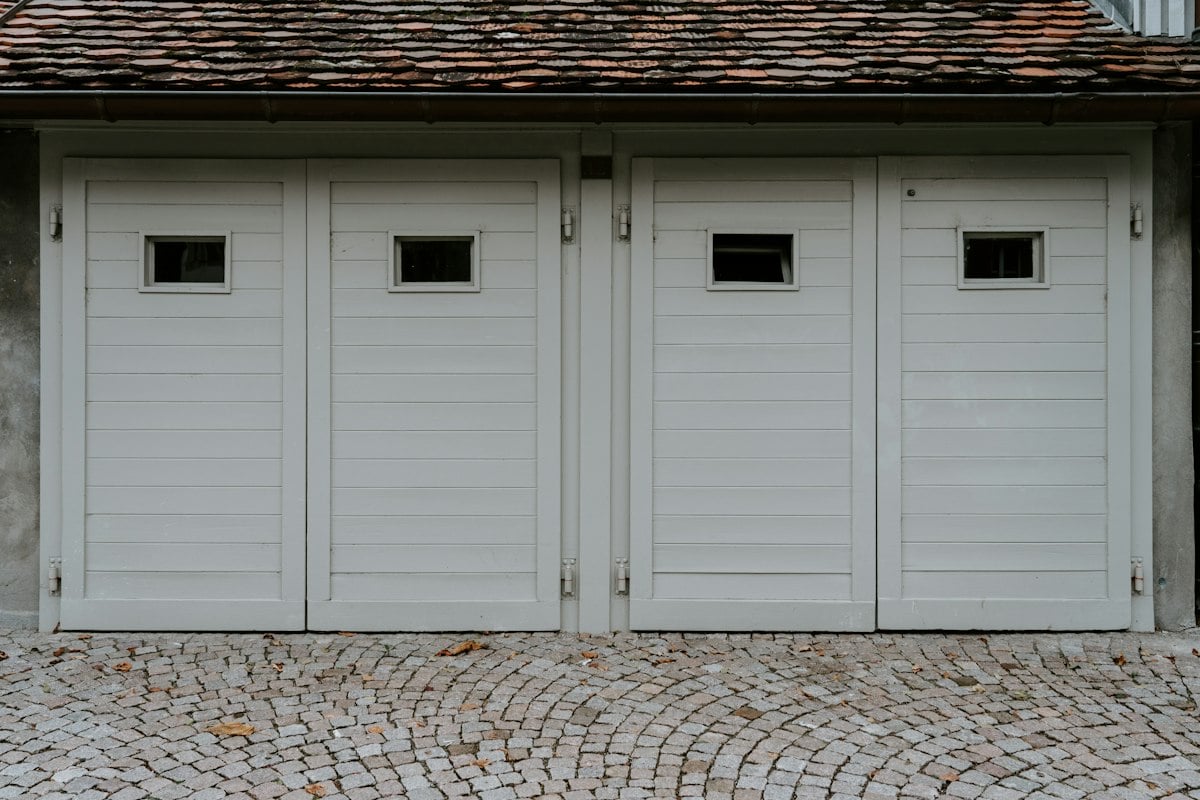
A tune-up is a fixed list of checks rather than a look around. Anything found outside the list should be described and quoted separately by the provider, so you decide what happens next.
The opener is released and the door is moved by hand to see whether the springs are still carrying its weight. A door that drifts down or flies up is out of balance, and that finding shapes everything else.
Rollers, hinges, bearing plates and the spring itself get the correct lubricant in the correct place. Tracks are cleaned rather than greased, because grease in a track collects the grit that causes the wear.
Hinge screws, track brackets, the opener rail and the bolts holding the operator to the ceiling all work loose with vibration. Each is checked and brought back to tension.
Worn roller stems, flat spots, frayed cable strands and dents in the track are noted with a plain explanation of how urgent each one is.
The bottom seal, the jamb stops and the top seal are inspected for cracking and shrinkage. A failed seal is what lets dust, rainwater and pests under a closed door.
Travel limits, closing force and the safety reverse are tested, and the photo eyes are cleaned and aligned so the door stops when something is in the opening.
A tune-up is preventive work, not a repair. If the visit turns up a broken part, ask the provider to explain what it is and what correcting it involves before touching it, and approve that separately.
Springs and cables are the one area a tune-up never turns into a do-it-yourself job. Both stay under load even when the door is closed, so adjusting or replacing them is handled as spring repair or cable and roller repair by someone with the right tools. Where the tune-up shows worn sections and tired hardware across the whole door, the repair versus replacement guide is the honest place to start.
Maintenance visits are arranged by calling, like repairs. See how a service visit works, or pick your community on the service areas page — Sun City West and the other retirement communities tend to book these before the summer heat arrives.
Once a year suits most homes, and the desert gives you a reason to make it a habit: heat and dust wear rollers, seals and opener electronics faster here than in milder climates. Doors that run many times a day, or that sit unused all summer at a seasonal home, are worth looking at more often. An independent provider can tell you what your door’s condition suggests when the provider comes out.
Yes, within limits. Rollers, hinges and the spring can be lubricated with a product made for garage doors, sprayed lightly with the door closed and the opener unplugged. Leave the tracks dry, and do not loosen, adjust or oil anything on the spring hardware, the cables or the bottom brackets, which stay under load at all times.
No, and nobody should promise that. Springs wear out by cycle count, and a maintenance visit cannot reset that. What it does is keep the door balanced and running freely so the spring is not doing extra work, and it flags visible gaps or rust in the coils before the spring lets go. The spring repair page explains what happens when one does.
Usually, yes. Many Surprise garages still run the original door the builder installed in the 1990s or 2000s, and those doors respond well to having the hardware tightened, the rollers replaced and the opener force reset. An independent provider can also tell you plainly if a door is too far gone for maintenance to be the right spend.
Call and describe how old the door is and what it sounds like to reach a provider.