Sensors, wiring and travel limits
Misaligned or dusty safety eyes, a pinched wire along the wall and drifted open and close limits explain a large share of opener complaints and cost far less to correct than a new unit.
An opener that hums, reverses or ignores the remote is not always a dead motor. Ask an independent provider to test the sensors, wiring, travel settings and control board on your Surprise garage before anyone talks about replacing the unit.
An attached garage in Surprise can sit well above 120 degrees on a summer afternoon, and that is the environment an opener’s control board, capacitor and logic chips live in year round. Heat shortens the life of the electronics, remote batteries die faster in a hot car or a hot garage, and low sun across a west-facing driveway can blind a safety eye at exactly the wrong time of day. Monsoon power flickers are another common culprit, because a brownout can scramble the travel settings a unit has held for years.
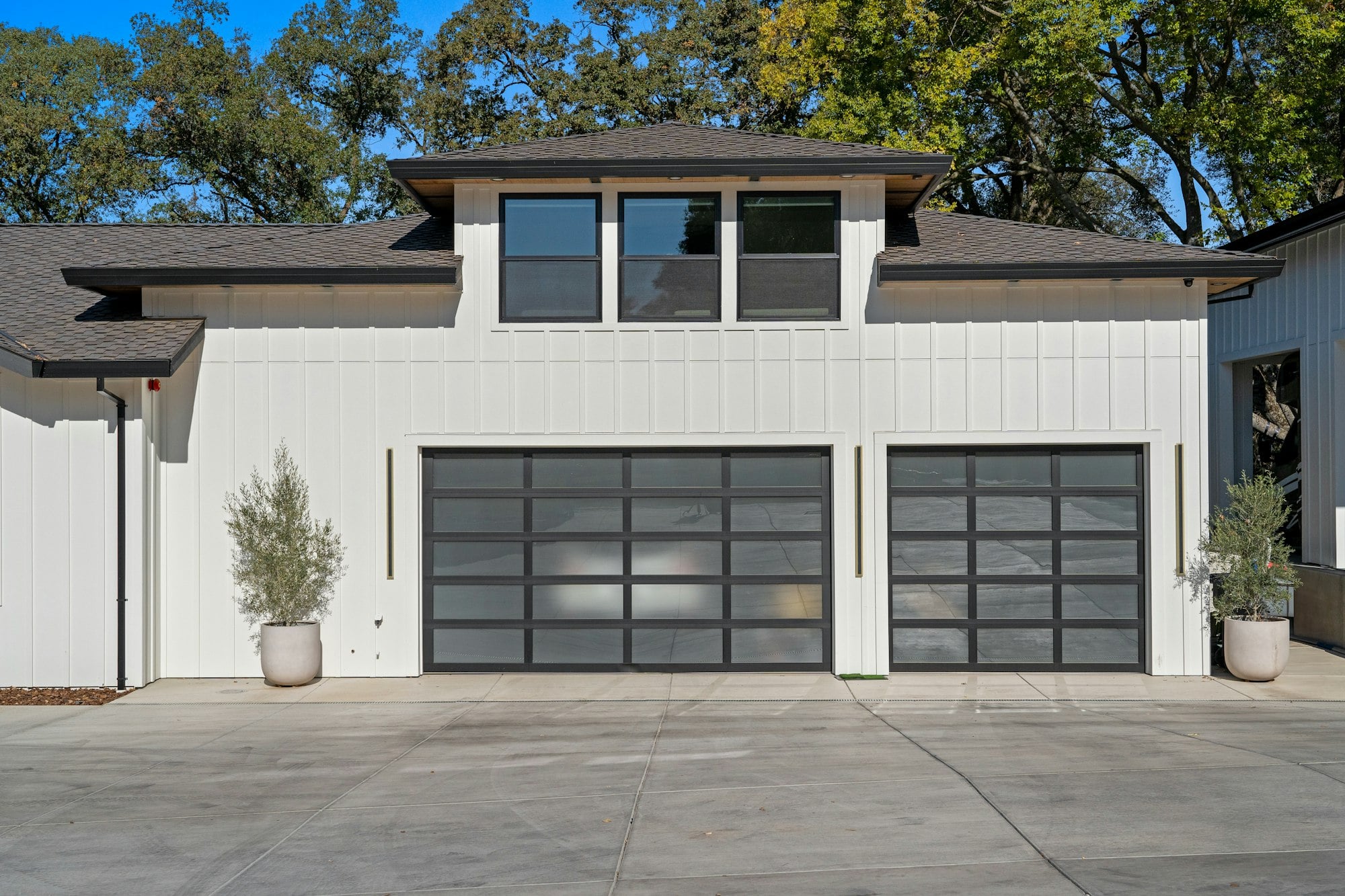
An independent provider should work through the simple causes before the expensive ones; ask which category your opener falls into.
Misaligned or dusty safety eyes, a pinched wire along the wall and drifted open and close limits explain a large share of opener complaints and cost far less to correct than a new unit.
Batteries, worn buttons, lost programming and a failed outside keypad all produce the same symptom. Each control is tested separately so the real fault is clear.
Where the gear assembly is stripped or the board has been cooked, the provider should say so plainly and explain what a replacement unit would involve for your door and ceiling height.
A repair makes sense when the mechanism is sound and one part has failed. Replacement starts to look sensible when the unit is beyond parts support, or when the door has been running with no working safety reverse.
Openers are only half the story. If the door itself is heavy or binding, the motor has been carrying a load it was never meant to, so ask about the springs and the rollers and cables at the same visit. The repair versus replacement guide covers how those decisions fit together.
Opener service runs across the West Valley, including Peoria and the other communities on the service areas page. Where the motor is fine and only the controls have failed, sensor and keypad repair is the smaller job to ask about.
Heat is the usual reason. Control boards, capacitors and remote batteries all age faster in a garage that runs above 120 degrees, and dust that settles on a safety eye lens in monsoon season adds its own faults. An independent provider should check the electronics and the sensors together rather than guessing.
Often, yes. Sensor alignment, limit settings, a gear kit, a logic board or a new remote can bring a working unit back. Ask the provider which parts are still available for your model before you commit to anything larger.
A blocked or misaligned safety eye, a close-limit setting that has drifted, or a door binding on dry rollers can all trigger the reverse. The reverse itself is a safety feature working correctly, so the fix is finding what is tripping it.
Brands serviced vary by independent provider. Have the model information from the label on the power head ready so the correct parts and remotes can be matched before the visit. You can mention it when you call the number.
Call and describe what the opener does when you press the button to reach a provider.